Not every worksite has access to mains power. Not every task stays in one place. And not every project can wait for generators to be delivered, fuelled, and connected. These realities have driven a fundamental shift in how professional teams approach temporary site lighting.
Rechargeable LED floodlights offer a practical solution that eliminates dependence on fixed power infrastructure. For construction crews, maintenance teams, emergency responders, and inspection professionals, portable lighting that goes where the work goes has become essential equipment rather than a compromise.
This guide examines when portable rechargeable lighting outperforms traditional alternatives, what operational advantages it delivers, and how to determine whether it suits your specific requirements.
The Shift Toward Portable Site Lighting
Traditional approaches to temporary site lighting typically involve either mains-powered installations or generator-fed systems. Both require infrastructure: cables, distribution boards, fuel supplies, or connection points. This infrastructure takes time to establish and limits where lighting can be positioned.
Portable rechargeable floodlights remove these constraints. Battery-powered units operate independently, requiring nothing more than periodic charging between deployments. This independence transforms how teams can approach lighting challenges.
The shift reflects broader changes in how work gets done. Projects move faster. Sites change daily. Teams need equipment that adapts to dynamic conditions rather than dictating where work can happen. Mobile site lighting meets these demands in ways that fixed infrastructure cannot.
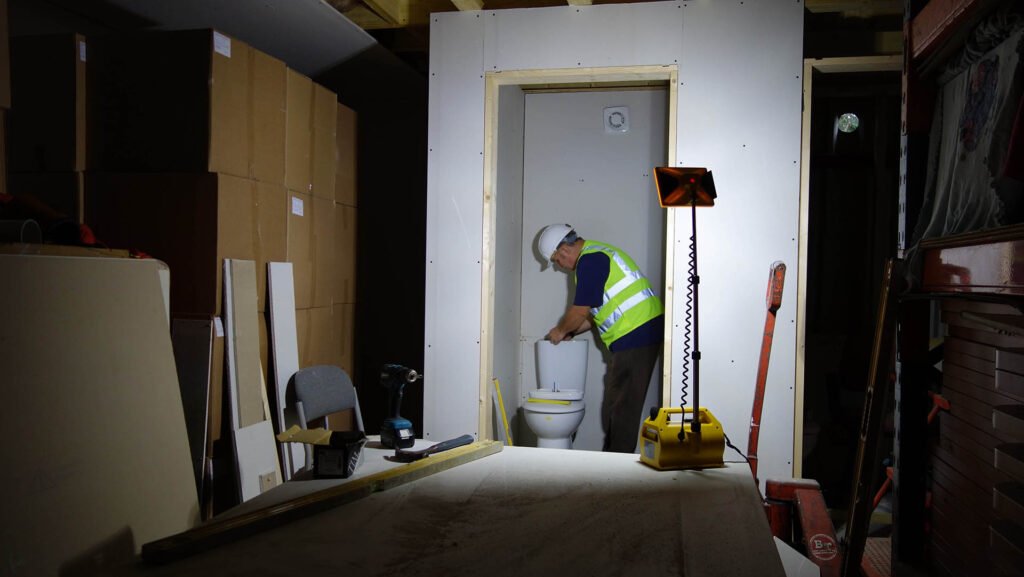
Operational Advantages of Rechargeable LED Floodlights
| Instant Deployment No cables, no setup time. Position the light and switch it on. Work begins immediately. | Complete Mobility Reposition as work progresses. No trailing cables restricting movement or creating trip hazards. |
| No Fuel Dependencies Eliminate fuel deliveries, storage requirements, and the logistics of keeping generators running. | Silent Operation Work in noise-sensitive environments without generator drone disturbing workers or neighbours. |
These advantages compound in practice. A maintenance team responding to an emergency callout arrives with lighting ready to deploy. A construction crew working across a large site moves lights to follow the day’s priorities. An inspection team covers multiple locations without arranging power at each stop.
Where Portable Lighting Outperforms Fixed Alternatives
Certain operational scenarios demonstrate clear advantages for portable rechargeable LED floodlights over mains-powered or generator-fed systems.
Remote locations without power infrastructure. Rural construction sites, infrastructure projects in undeveloped areas, and emergency works on roads or railways often lack any power supply. Portable rechargeable LED floodlights like Eco-Flood units provide professional illumination without requiring generators or lengthy cable runs from distant supply points.
Short-duration tasks. Setting up generator infrastructure for a two-hour repair makes little sense. The setup time alone may exceed the work duration. A rechargeable floodlight matches the task scale, providing exactly what’s needed without disproportionate preparation.
Multi-location work within a single shift. Inspection rounds, security patrols, and maintenance routes covering multiple sites benefit from lighting that travels with the team. One set of charged units serves an entire shift across numerous locations.
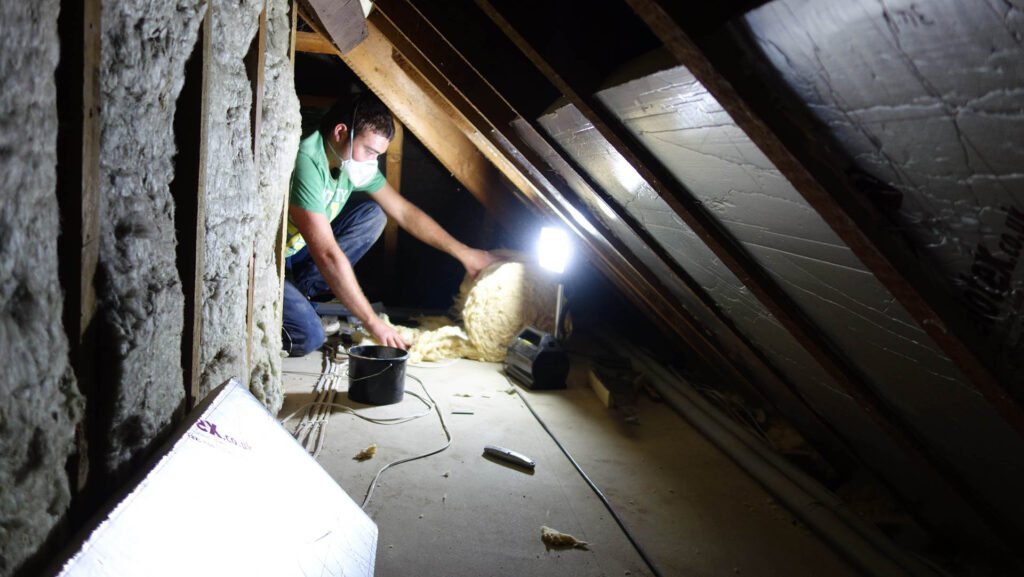
Indoor and confined space work. Generator exhaust makes combustion-powered lighting unsuitable for enclosed environments. Battery-powered LED floodlights produce zero emissions at point of use, enabling safe deployment in basements, tunnels, tanks, and buildings under construction.
Noise-restricted environments. Night works near residential areas, hospital grounds, or urban centres may face strict noise limits. Silent rechargeable lighting eliminates the generator noise that often triggers complaints and regulatory issues.
Understanding Runtime and Output Requirements
Matching portable floodlight specifications to actual requirements ensures equipment performs when needed. Over-specifying wastes budget and adds unnecessary weight. Under-specifying leaves teams without adequate illumination.
Runtime depends on battery capacity and power consumption. Higher lumen output draws more power, reducing runtime. Most professional rechargeable LED floodlights offer multiple output levels, allowing users to balance brightness against duration based on task demands.
Runtime Planning Considerations
| ✓ Evaluate runtime at working output levels ✓ Factor in temperature effects on batteries ✓ Plan for charging windows between shifts | ✓ Consider backup units for extended tasks ✓ Account for battery degradation over time ✓ Match output to actual task requirements |
For shift-length coverage, calculate total runtime needed and compare against specifications at your required brightness level. Building in a safety margin accounts for battery ageing and cold weather performance reduction.
Choosing the Right Form Factor
Portable rechargeable floodlights come in various configurations suited to different deployment scenarios. Selecting appropriate form factors for your typical applications improves both effectiveness and convenience.
Compact handheld units suit inspection tasks, emergency response, and situations requiring frequent repositioning. Their portability comes at the cost of output and runtime compared to larger units.
Stand-mounted LED floodlights provide elevated illumination for work zones. Adjustable height and angle controls allow precise positioning. These work well for static tasks lasting several hours.
Larger area lighting systems deliver higher output for illuminating substantial workspaces. Area lighting units with telescopic masts can cover areas equivalent to multiple smaller lights while simplifying deployment.
Ultralight systems prioritise portability for teams covering ground on foot. When every kilogram matters, these units deliver practical illumination without burdening mobile crews.
Outdoor Floodlight Considerations
Outdoor deployment presents specific challenges that affect equipment selection. Weather exposure, variable terrain, and extended distances from support facilities all influence which rechargeable floodlight configurations perform best.
IP ratings determine environmental resilience. For outdoor floodlight applications, IP65 or higher ensures reliable operation in rain, dust, and typical British weather conditions. Lower ratings may suffice for covered or indoor work but leave equipment vulnerable when conditions deteriorate unexpectedly.
Wind stability becomes critical for elevated lights. Tripod-mounted units need adequate base weight or anchoring in exposed locations. Equipment blown over mid-task creates safety hazards and potential damage that interrupts work.
Cold temperatures affect battery performance. Lithium-ion cells deliver reduced capacity in cold conditions, potentially cutting runtime significantly during winter outdoor work. Factor this into planning when specifying equipment for year-round outdoor use.
Integration with Other Portable Lighting
Rechargeable floodlights rarely operate in isolation. Professional teams typically deploy multiple lighting types to address different aspects of a task. Understanding how LED floodlights complement other equipment helps build effective lighting kits.
Area floodlights provide general workspace illumination while rechargeable head torches give individual workers directed light for close tasks. This combination ensures both overall visibility and focused illumination where hands are working.
For tasks requiring illumination across distance, portable searchlights complement floodlights by reaching areas beyond practical floodlight range. Security patrols, search operations, and long-range inspection benefit from this capability.
Safety considerations may require hazard warning lights alongside task lighting. Roadside works, railway operations, and any activity near traffic benefit from dedicated warning beacons that alert others to the work zone.
Practical Deployment Considerations
Getting the most from portable rechargeable LED floodlights requires attention to practical deployment factors that affect real-world performance.
Positioning for effectiveness. Place lights to minimise shadows in the primary work area. Multiple lower-output lights from different angles often provide better coverage than a single high-output source creating harsh shadows.
Stability in outdoor conditions. Wind can topple poorly secured lights. Use appropriate stands, weighting, or tie-downs when deploying in exposed locations. Equipment damage and work interruption result from inadequate securing.
Charging logistics. Establish charging routines that ensure equipment is ready when needed. Designate charging stations at depots. Track charge status across your fleet. Consider fast-charging units if turnaround time between deployments is limited.
Weather considerations. Verify IP ratings match expected conditions. While quality portable LED floodlights handle rain and dust, deployment in extreme conditions requires appropriate specifications. Cold temperatures reduce battery capacity, affecting runtime calculations.
Comparing Total Operating Costs
Initial purchase represents only part of the total cost picture. Evaluating operating costs over equipment lifetime reveals the economic case for portable rechargeable lighting.
Operating Cost Factors
| Cost Factor | Generator Lighting | Rechargeable Floodlights |
| Fuel costs | Ongoing, variable | None |
| Electricity | None | Minimal charging cost |
| Maintenance | Regular servicing required | Minimal |
| Transport logistics | Heavy equipment + fuel | Lightweight, self-contained |
| Setup time | Significant | Immediate |
When operating costs, labour time, and logistical complexity are factored together, rechargeable portable lighting frequently delivers lower total cost of ownership despite potentially higher initial equipment investment.
When Generator Power Remains Appropriate
Portable rechargeable floodlights don’t suit every scenario. Understanding their limitations helps identify situations where traditional approaches remain preferable.
Very large areas requiring sustained high-intensity illumination across extended periods may exceed practical battery capacity. Major construction sites running continuous night shifts sometimes need the uninterrupted power that only mains or generator supplies can provide.
Sites already committed to generator infrastructure for power tools and equipment may find adding lighting to existing power distribution simpler than managing separate battery charging. The decision depends on specific site circumstances.
Extended remote deployments without any charging opportunity present challenges. While battery swap systems and solar charging extend capability, genuinely off-grid operations lasting weeks may still require fuel-based generation.
Building an Effective Portable Lighting Kit
Equipping teams with appropriate portable lighting involves selecting complementary units that cover likely scenarios without unnecessary duplication.
Start with typical task requirements. What areas need illuminating? For how long? How frequently does lighting need to move? These questions guide initial specification.
Consider redundancy for critical operations. Having backup capacity ensures work continues if a unit fails or depletes unexpectedly. The cost of carrying spare rechargeable LED floodlight equipment typically outweighs the cost of work stoppage.
Standardising on compatible charging systems simplifies logistics. Mixed equipment from multiple manufacturers may require different chargers and create complexity in fleet management.
Factor in transport and storage. Equipment that fits efficiently in vehicles and stores compactly at depots reduces handling burden and protects the investment.
Making Portable Lighting Work for Your Operations
Rechargeable floodlights have earned their place as primary lighting equipment for many professional applications. The combination of instant deployment, complete mobility, and freedom from power infrastructure solves practical problems that traditional approaches cannot address efficiently.
Success depends on matching equipment to actual requirements. Understanding runtime needs, output demands, and deployment patterns enables informed selection. Building in appropriate redundancy ensures reliability when it matters.
For operations characterised by mobility, varied locations, and dynamic requirements, portable rechargeable LED floodlights increasingly represent not just an alternative to fixed power systems but the superior choice.
Frequently Asked Questions
Runtime varies by model and brightness setting. Professional units typically deliver 4 to 12 hours on medium output. Always check runtime specifications at the brightness level you’ll actually use, as maximum quoted runtimes usually reflect lowest settings.
For many applications, yes. Portable rechargeable LED floodlights suit task lighting, mobile work, and situations where generator setup isn’t practical. Very large sites requiring continuous high-output illumination across multiple shifts may still benefit from generator or mains power.
Quality professional units carry IP65 or higher ratings, providing protection against dust and water jets. This makes them suitable for outdoor floodlight applications in typical UK weather conditions. Check individual product specifications for exact ratings.
Rechargeable LED floodlights require minimal maintenance. Keep lenses clean, store in dry conditions, and follow manufacturer charging guidelines. Avoid fully depleting batteries regularly, as this can reduce long-term capacity.
Yes. Battery-powered LED floodlights produce no emissions, making them safe for enclosed environments where generator exhaust would create hazards. For explosive atmospheres, ensure equipment carries appropriate ATEX certification.
Portable rechargeable floodlights are typically compact, easily carried units for task and spot lighting. Area lighting systems feature higher output and often include telescopic masts to illuminate larger workspaces from elevation. Both can be battery-powered and rechargeable.
 British Made For Quality