
ATEX lighting refers to equipment specifically certified for safe use in atmospheres where flammable gases, vapours, mists, or combustible dust may be present. The certification confirms that the equipment cannot act as a source of ignition in these environments, which makes it a legal requirement rather than a preference for petrochemical, offshore, and similar hazardous industrial sites.
This guide explains what ATEX certification actually means, how hazardous areas are classified, what intrinsically safe lighting is, and what to check before specifying any lighting equipment for use in a potentially explosive atmosphere.
What Does ATEX Mean?
ATEX takes its name from the French title of the European directives governing equipment used in explosive atmospheres. In practice, ATEX certification tells you that a piece of equipment has been tested and rated for use in a specific type of hazardous zone, and that it will not ignite a surrounding flammable atmosphere under normal or specified fault conditions.
This matters because standard industrial lighting, even equipment built to a high IP rating for dust and water resistance, is not automatically safe around explosive atmospheres. A spark from a switch, a hot surface from an LED driver, or even static discharge from a plastic housing can provide enough energy to ignite gases or dust that would otherwise sit harmlessly in the air.
ATEX certification addresses this by controlling every potential ignition source in the design of the equipment itself, from sealed switch mechanisms to controlled surface temperatures and enclosure materials that will not generate static.
Understanding Hazardous Area Zones
Hazardous areas are classified into zones based on how frequently and for how long an explosive atmosphere is likely to be present. Equipment must be rated for the specific zone it will operate in.
Gas atmospheres (Zones 0, 1, and 2)
Zone 0 covers areas where an explosive gas atmosphere is present continuously or for long periods. Zone 1 covers areas where it is likely to occur during normal operation. Zone 2 covers areas where it is not likely to occur, and if it does, only briefly.
Dust atmospheres (Zones 20, 21, and 22)
These follow the same logic applied to combustible dust rather than gas. Zone 20 is continuous or frequent dust atmosphere presence, Zone 21 is likely during normal operation, and Zone 22 is unlikely and brief if it occurs.
Equipment certified for Zone 0 or Zone 20 meets the highest safety standard and can be used in any less demanding zone within the same category. Equipment certified only for Zone 2 or Zone 22 cannot be used in the more hazardous zones above it.
Correctly identifying which zone applies to your work environment is the first step before selecting any equipment. This is typically documented in a site’s hazardous area classification drawings, and should be confirmed with the site’s safety officer or the relevant documentation before procurement.
Intrinsically Safe Lighting Explained
Intrinsic safety is one specific protection method used to achieve ATEX certification, and it is the standard most commonly associated with portable lighting equipment.
An intrinsically safe design limits the electrical and thermal energy available within the equipment to a level that cannot ignite a specified explosive atmosphere, even in the event of a fault. This is achieved through circuit design rather than heavy enclosure construction, which is why intrinsically safe torches and portable lights tend to be lighter and more practical to carry than other categories of explosion-protected equipment.
For portable lighting used by personnel working in hazardous areas, such as inspection engineers, maintenance technicians, and emergency responders on petrochemical or offshore sites, intrinsically safe rated torches and head torches are typically the most practical certified format available.
Industries That Require ATEX Rated Lighting
Petrochemical and oil and gas. Refineries, processing plants, and storage facilities handle flammable liquids and gases throughout. Any lighting used in process areas, tank farms, or loading facilities needs zone-appropriate certification.
Offshore platforms and marine energy. Offshore installations combine confined spaces, flammable atmospheres, and demanding environmental conditions. ATEX rated equipment is standard procurement policy across the offshore sector.
Grain handling and agriculture. Combustible dust from grain, flour, and similar materials creates genuine explosion risk in silos, mills, and storage facilities. Dust zone certification applies directly here.
Chemical manufacturing and storage. Any facility handling flammable solvents, chemical intermediates, or reactive materials requires zone classification and appropriately rated equipment throughout relevant areas.
Wastewater and utilities. Certain wastewater treatment processes generate methane and other flammable gases, creating zoned areas within otherwise standard utility infrastructure.
Pharmaceutical manufacturing. Some pharmaceutical processes involve flammable solvents or combustible powders, creating hazardous area requirements within manufacturing and packaging facilities.
What to Check Before Specifying ATEX Equipment
Confirm the exact zone classification for your site. Zone requirements are specific to each facility and are documented in official hazardous area classification records. Never assume a zone rating based on general industry association. A site should be able to provide this documentation, and if it cannot, this needs resolving before any equipment decision is made.
Verify the certificate matches the equipment in front of you. ATEX certification applies to a specific product as tested, not to a general product line or brand. Check that the certification documentation matches the model and version of the equipment being considered, including any variations in battery type or accessory configuration.
Check gas group and temperature class alongside zone rating. Beyond the zone number, ATEX certification specifies gas groups (covering different categories of flammable substances) and temperature classes (the maximum surface temperature the equipment can reach). Both need to align with the substances present at your site, not just the zone number in isolation.
Confirm certification is current and equipment is undamaged. ATEX certification applies to equipment in its certified condition. Damaged housings, modified components, or equipment that has been repaired outside of the manufacturer’s approved process can invalidate the certification even if the label is still present.
Understand that standard IP65 rated equipment is not a substitute. IP65 confirms protection against dust ingress and water jets. It says nothing about ignition risk in an explosive atmosphere. This is one of the most common and dangerous misunderstandings in equipment procurement for hazardous sites. A well-built, weatherproof industrial torch is not automatically appropriate for a Zone 1 gas area.
Working With Non-Certified Equipment on Industrial Sites
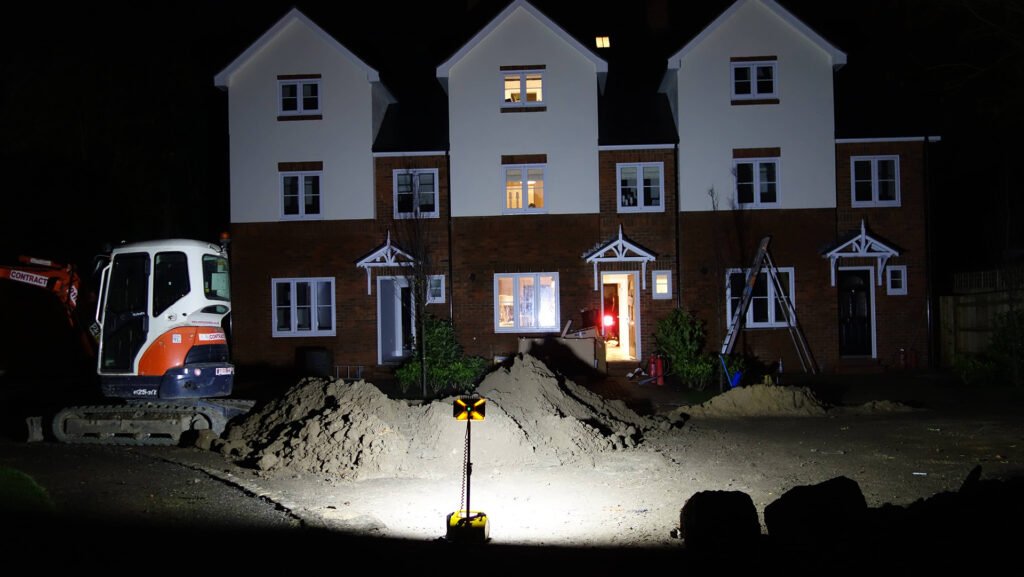
Not every area of an industrial or offshore site falls within a classified hazardous zone. Many facilities have clearly defined safe areas alongside their hazardous zones, and standard high-specification industrial lighting is entirely appropriate in those spaces.
For general site lighting, maintenance work, and inspection tasks outside of classified hazardous areas, robust IP65 and IP67 rated portable lighting from ranges such as Samalite’s floodlights, head torches, and searchlights provides the durability and output that demanding industrial environments require.
The critical point for any site with mixed classified and unclassified areas is having a clear procedure for what equipment goes where, and ensuring teams understand which areas require certified equipment before they carry standard lighting into them. This is a site management and training responsibility as much as a procurement one.
If your teams move between hazardous and non-hazardous areas during a shift, the practical answer is maintaining two clearly distinguished sets of equipment, with certified units reserved exclusively for zoned areas and never substituted with standard equipment even temporarily.
Maintenance and Ongoing Compliance for ATEX Equipment
ATEX certified equipment requires ongoing management to remain compliant and safe over its working life.
Regular inspection. Certified equipment should be inspected on a documented schedule for physical damage, seal integrity, and any signs of unauthorised modification.
Battery replacement through approved channels. For battery powered ATEX equipment, replacement batteries must match the specification tested as part of the original certification. Substituting a different battery, even one that appears equivalent, can invalidate certification.
Documented service history. Any repair or servicing of ATEX certified equipment should go through the manufacturer or an approved service provider, with documentation retained. Unauthorised repairs are one of the most common causes of certification becoming invalid without the equipment owner realising it.
Fleet tracking for certification status. For organisations managing multiple units across a site or fleet, tracking which units are currently certified, when they were last inspected, and their service history prevents non-compliant equipment inadvertently being deployed into a hazardous zone.
Frequently Asked Questions
ATEX lighting refers to lighting equipment certified under the European ATEX directives for safe use in atmospheres where explosive gases, vapours, or combustible dust may be present. Certification confirms the equipment cannot act as an ignition source under normal or specified fault conditions. It is required by law in classified hazardous areas across industries including petrochemical, offshore energy, grain handling, and chemical manufacturing.
Intrinsically safe lighting limits the electrical and thermal energy within the equipment to a level that cannot ignite a specified explosive atmosphere, even during a fault condition. This protection method is achieved through circuit design rather than heavy enclosure construction, making intrinsically safe torches and head torches typically lighter and more practical for personnel to carry than other explosion protection categories.
No. IP65 confirms protection against dust ingress and water jets, which relates to weatherproofing and environmental durability. It says nothing about whether the equipment can ignite an explosive atmosphere. ATEX certification is a separate and additional requirement specifically for use in classified hazardous zones. Equipment can be IP65 rated without being ATEX certified, and standard IP65 equipment should never be assumed safe for a hazardous area without confirmed ATEX certification.
Any classified hazardous area requires zone-appropriate ATEX certified equipment. Gas atmosphere zones are numbered 0, 1, and 2 in decreasing order of how frequently the explosive atmosphere is present. Dust atmosphere zones follow the same logic as 20, 21, and 22. Equipment certified for the more demanding zone in each category can be used in the less demanding zones within that category, but not the reverse.
Yes. ATEX certified equipment functions as a normal torch or lighting unit outside of classified areas, so there is no functional downside to using it in general site conditions. However, ATEX equipment is typically a higher cost specification than standard industrial lighting, so most organisations reserve certified equipment for classified areas and use standard high-specification IP65 or IP67 rated lighting, such as Samalite’s floodlights and head torches ranges, for general site use.
The site operator or facility owner is responsible for documenting hazardous area classification, typically through a formal area classification study carried out by a competent person. Contractors and equipment buyers should request this documentation before specifying lighting equipment, rather than assuming a zone rating based on general industry type. If a site cannot provide this documentation, this should be resolved before hazardous area work proceeds.
The certification itself does not expire in the way a licence does, but it applies only to equipment in its originally certified condition. Damage, unauthorised repair, non-approved battery substitution, or modification can invalidate certification regardless of the age of the unit. Regular inspection and maintaining documented service history through approved channels is essential to ensure certified equipment remains genuinely compliant throughout its working life.